Gardeners Southfields guide to Southfields tube front gardens
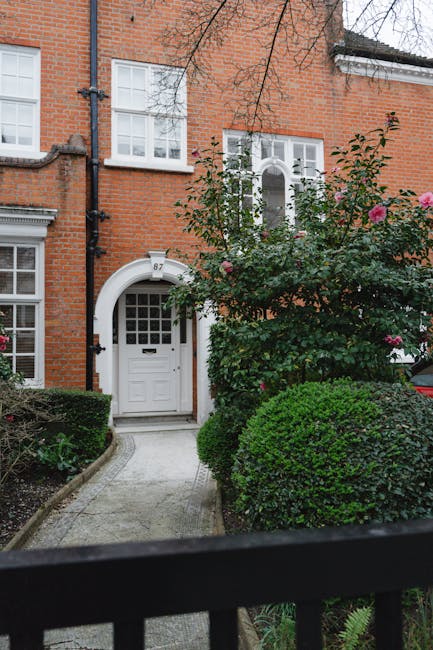
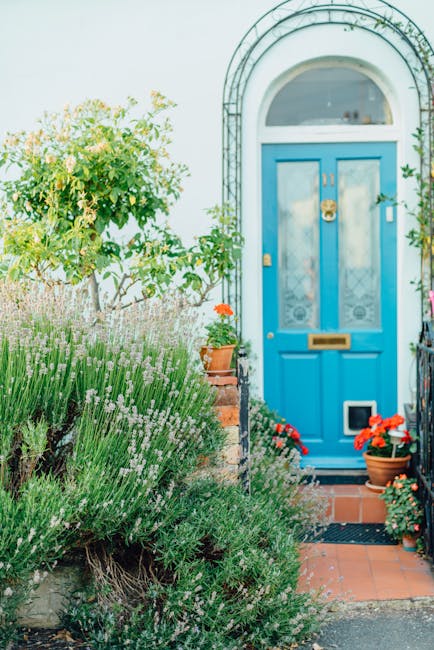
If you live near Southfields Tube, your front garden does a lot of quiet work. It frames the house, shapes first impressions, softens the street, and, if it's done well, makes coming home feel a little calmer. This Gardeners Southfields guide to Southfields tube front gardens is for anyone trying to turn a small or awkward London frontage into something tidy, welcoming, and manageable without turning it into a full-time job.
Front gardens in this part of London tend to face a familiar mix of pressures: foot traffic, shade from neighbouring buildings, exposed corners, narrow plots, limited parking spillover, and the eternal battle between looking good and staying low-maintenance. That balance is the whole game, really. Below, you'll find a practical guide to planning, planting, maintaining, and improving a front garden that suits Southfields life rather than fighting it.
Table of Contents
- Why Gardeners Southfields guide to Southfields tube front gardens Matters
- How Gardeners Southfields guide to Southfields tube front gardens Works
- Key Benefits and Practical Advantages
- Who This Is For and When It Makes Sense
- Step-by-Step Guidance
- Expert Tips for Better Results
- Common Mistakes to Avoid
- Tools, Resources and Recommendations
- Law, Compliance, Standards, or Best Practice
- Options, Methods, or Comparison Table
- Case Study or Real-World Example
- Practical Checklist
- Conclusion
- Frequently Asked Questions
Why Gardeners Southfields guide to Southfields tube front gardens Matters
Front gardens near a busy transport hub are not just decorative. They help define the whole street scene. A front garden that is overgrown, patchy, or poorly planned can make an otherwise lovely house feel tired. A well-kept one, even a modest one, adds order and personality. That matters in Southfields, where many homes sit close together and the frontage is one of the few spaces that can still show a bit of character.
There's also a practical side. A good front garden can reduce mud being tracked indoors, absorb a little rainwater, offer a buffer between pavement and front door, and make everyday maintenance simpler. If you've ever been trying to squeeze a bag of shopping past a shaggy lavender bush while dodging a wheelie bin, you'll know what I mean.
Another reason this topic matters is that front gardens are visible. They influence kerb appeal, yes, but also neighbourly perception. Near Southfields Tube, people are walking past constantly. Commuters notice details. Visitors do too. A neat hedge, a well-shaped path edge, or a smart planting scheme can quietly lift the whole property.
For homes that need structure more than ornament, front gardens can also solve privacy and security issues without looking defensive. The trick is to make them feel open enough to welcome people, but defined enough to feel private. Not easy, but absolutely doable.
How Gardeners Southfields guide to Southfields tube front gardens Works
The best front garden plans in Southfields start with three questions: how much space do you really have, how much light does it get, and how much time will you realistically spend maintaining it? That last one is the one people often skip. To be fair, it's the one that decides whether a garden stays beautiful or slowly drifts into chaos by September.
In practice, a front garden design usually works through a few simple layers:
- Structure: paths, edging, gates, hedges, low walls, and boundaries.
- Evergreen backbone: shrubs, climbers, and planting that keeps shape through winter.
- Seasonal interest: flowers, texture, scent, and leaf colour that change through the year.
- Maintenance rhythm: trimming, weeding, feeding, and cleaning on a regular schedule.
The aim is not to cram in every nice plant you've ever seen. It's to choose a set of features that work together. In a smaller London front garden, one or two strong ideas usually outperform six competing ones. A clipped hedge, a couple of taller specimen shrubs, and a ground cover layer can look far more polished than a crowded jumble.
Where shade is an issue, climbers and tough, low-light planting can make a huge difference. If you're dealing with a north-facing frontage or a wall that barely sees sun, take a look at ideas from evergreen climbers for shady areas and think vertically rather than just horizontally. That shift alone can rescue a disappointing front garden.
Key Benefits and Practical Advantages
There's a reason front gardens are often the first place people invest time and care. They pay back quickly. And they tend to keep paying back, provided you don't design them in a way that fights your lifestyle.
Here are the main benefits of a well-planned front garden near Southfields Tube:
- Better first impressions: tidy planting and defined edges instantly improve the look of the property.
- Lower day-to-day mess: hardwearing surfaces and sensible planting reduce mud and leaf build-up.
- More privacy: thoughtful screening can soften views from pavement to windows.
- Improved biodiversity: even a compact garden can support pollinators and birds.
- Less maintenance stress: the right choices can cut weekly gardening time down significantly.
There's also a more subtle benefit: front gardens can make a house feel looked after. That has a knock-on effect. People usually maintain spaces they enjoy seeing. If you like what you see every time you come and go, you're more likely to keep the routine going. Funny how that works.
And let's not ignore the practical side of a London front garden. With more wet weather than most of us would like, a good layout helps with drainage, avoids slippery paths, and keeps planting from being trampled by routine footfall. If your garden also needs to cope with wind, rain, and winter exposure, useful ideas from weather-risk gardening strategies and wind-resistant planting advice are worth folding into your plan.
Who This Is For and When It Makes Sense
This guide is useful if you are:
- a homeowner with a small front garden that feels unfinished;
- a landlord wanting a property to present better between tenancies;
- a busy commuter who needs low-maintenance garden design;
- someone dealing with shade, wind, or poor soil;
- a family wanting a safer, tidier entrance with less clutter;
- an owner who wants privacy without building a fortress at the front of the house.
It also makes sense if you have a front garden that has become a storage zone by accident. Bikes, bins, muddy boots, old planters, forgotten compost bags - it happens. Often the fix is not "more effort", it's better zoning. A good front garden gives every item a proper place.
If you are still deciding whether to invest, a sensible way in is to start with maintenance and then layer in improvements. That way you can test what works before committing to a bigger redesign. If you want help turning a tired frontage into a clearer plan, the team behind garden renewal planning can be a useful reference point.
Step-by-Step Guidance
The cleanest results usually come from a simple sequence. Don't skip around too much. Front gardens punish improvisation more than people expect.
- Measure and observe. Check width, depth, light, drainage, and the spots people naturally walk through.
- Decide the main purpose. Is the garden for presentation, privacy, storage control, planting, or all four?
- Clear the clutter. Remove dead plants, broken pots, and anything that blocks a clean design line.
- Set structure first. Edging, hedge lines, pathways, and gate lines should come before decorative planting.
- Choose a small plant palette. Repetition is your friend. Too many varieties can make a front garden look messy fast.
- Add vertical interest. Use climbers, trellises, or tall planters where the plot is narrow.
- Layer ground cover. This reduces weeds and makes the space feel finished.
- Work in maintenance access. Leave enough room to prune, clean, and reach every bed without a wrestling match.
One little point that makes a big difference: design the view from the path first, not just the view from inside the house. You see the front garden most often from the pavement and your own doorstep, not from a magazine angle. That's where realism matters.
If you're building from scratch or doing a more ambitious refresh, services like landscaping support or regular garden maintenance may be the practical next step. And for boundaries, security, or screening, it can help to compare options alongside fencing work and hedge trimming in Southfields.
Expert Tips for Better Results
Here's where small choices do a lot of heavy lifting.
- Use repetition. Repeating the same shrub or pot shape creates calm. Calm is underrated.
- Keep the front boundary controlled. A front garden should feel welcoming, not invasive.
- Mix evergreen with seasonal colour. Evergreens stop the garden looking stripped in winter.
- Use plants that forgive neglect. Truth be told, that's often the winning strategy in London front gardens.
- Trim for shape, not just height. A hedge can look neat and light at once when trimmed properly.
- Think in layers. Low ground cover, mid-height shrubs, and a taller accent plant usually work better than one flat level.
If privacy is a priority, fast-growing hedges are a useful option, but only if you accept that they need ongoing attention. For that, fast-sprouting hedge ideas are worth reading alongside practical trimming guidance in hedge trimming expertise.
For tighter urban frontage, think vertically too. A wall, fence, or trellis can carry a surprising amount of visual weight, especially when paired with good structure. If your garden feels like it has run out of floor space, this is one of the best fixes around. Not magic. Just clever.
And if you want a calmer, more restful feel, it's worth borrowing ideas from a zen garden layout or even a compact seating nook from garden seating inspiration. Front gardens do not have to be purely functional. They can still feel nice.
Common Mistakes to Avoid
The most common errors in front garden work are not dramatic. They're small, repeatable, and just annoying enough to keep costing time.
- Overplanting: too many species creates visual noise and more maintenance.
- Ignoring mature size: a shrub that looks tiny in a pot can become a monster by year three.
- Choosing thirsty plants for exposed spots: they'll struggle and look stressed quickly.
- Leaving no access for pruning: if you can't reach it, you won't keep it tidy.
- Using high-maintenance finishes without a plan: attractive materials need cleaning and care.
- Forgetting winter shape: a garden can look lovely in June and messy by January if evergreens are missing.
Another one that comes up a lot is poor boundary management. A hedge allowed to flare out into the path can make a small garden feel cramped. It also invites complaints from neighbours if it spills across the line. A regular routine helps, and if the hedge is too large or awkward, professional support for Southfields hedge trimming may save a lot of hassle.
Then there's the "I'll deal with it in spring" approach. Fine in theory. Risky in practice. Winter debris, compacted soil, and forgotten weeds are much easier to manage if you do a bit now and a bit later, rather than one heroic clean-up mission when the weather turns.
Tools, Resources and Recommendations
You do not need a van full of gear to maintain a front garden well. A few good tools are enough, provided they are sharp, clean, and used regularly.
Useful basics include:
- hand pruners for light trimming and deadheading;
- a stiff brush for paths and borders;
- a small spade or border fork for reworking soil;
- gloves that actually fit;
- a watering can or hose with sensible pressure;
- loppers for thicker stems;
- a decent rake for leaves and loose debris.
If you prefer to keep things simple, it may help to read about useful gardening tools before you buy anything unnecessary. It's very easy to end up with three trowels and no pruning saw. Happens more often than people admit.
For planting support, a few smart references are especially relevant to Southfields front gardens:
- ground cover ideas for reducing weeds
- vertical gardening for compact spaces
- container gardening for flexible front areas
- herb planting for fragrance and easy use
One more practical recommendation: keep a simple seasonal routine. Spring for shaping and planting, summer for deadheading and watering, autumn for leaf control and soil care, winter for structure checks and protection. That rhythm works better than random bursts of energy.
Law, Compliance, Standards, or Best Practice
Front gardens rarely involve heavy regulation, but a few standards and courtesies matter. If a hedge, tree, wall, fence, or gate borders a shared boundary or public pavement, you should think carefully about access, safety, and visibility. No one wants a tidy garden that accidentally creates a trip hazard or blocks sight lines.
In London, it is also sensible to keep an eye on common-sense best practice around waste, green material disposal, and safe working methods. If you're pruning higher growth, using ladders, or handling bulky cuts, safety matters more than speed. That is where proper planning and clear working habits count.
For clients who want reassurance before any work starts, reading a provider's health and safety policy, insurance and safety information, and terms and conditions is sensible. It is not exciting reading, admittedly, but it tells you a lot about professionalism.
Best practice also includes being respectful to neighbours. Front gardens are highly visible and often close to shared edges. A little notice before noisy work, careful disposal of clippings, and keeping pathways clear all make the experience better for everyone.
Options, Methods, or Comparison Table
Not every front garden needs the same approach. Some need structure. Some need softness. Some just need someone to stop overcomplicating them. Here's a straightforward comparison.
| Method | Best for | Pros | Trade-offs |
|---|---|---|---|
| Clipped hedge and simple planting | Tidy, classic kerb appeal | Smart, timeless, easy to read visually | Needs regular trimming |
| Container-based front garden | Small or paved frontages | Flexible, easy to rework, good for renters | Needs watering and seasonal refreshes |
| Ground cover-led design | Weed suppression and low maintenance | Covers bare soil, softens edges | Slow to establish in some spots |
| Vertical planting with climbers | Narrow or shaded front gardens | Saves space, adds height and texture | Requires support and training |
| Mixed hardscape and planting | Busy homes with frequent access | Practical, durable, cleaner underfoot | Needs careful design to avoid looking stark |
If you are unsure which route fits your property, start with function. Do you want privacy, order, low effort, or a more decorative look? Choose two, maybe three. More than that and the plan can get muddled.
Case Study or Real-World Example
Here's a realistic Southfields-style scenario. A small terraced house near the Tube had a front garden that had become a bit of a catch-all: one tired shrub, a cracked pot, a narrow path, and a hedge that had grown wider than anyone expected. The owners wanted it to look cleaner without losing all the greenery.
The solution was simple, not fancy. The overgrown hedge was reduced and shaped properly, the path edges were cleared, two strong evergreen shrubs were added for year-round form, and the open soil was covered with a low, tough planting layer to cut down weeds. A couple of matching containers near the entrance gave the space a sense of welcome without blocking movement.
What changed most was not the amount of planting. It was the structure. Suddenly the front garden felt intentional. The home looked better from the pavement. Maintenance took less time. And the owners stopped apologising for the view out front. That alone is worth something.
In a case like this, services such as routine garden maintenance and lawn care can help if the space includes grass, but the real win came from simplifying the design. Less fuss, more clarity. A decent trade, that.
Practical Checklist
Use this quick checklist before starting work on a Southfields tube front garden.
- Have I measured the space accurately?
- Do I know which areas are shaded, windy, or poorly drained?
- Have I decided the main purpose of the garden?
- Is the planting palette simple enough to maintain?
- Have I included evergreen structure for winter?
- Are paths, gates, and boundary lines clear and safe?
- Will I be able to reach every plant for pruning and watering?
- Do I have a plan for leaves, weeds, and seasonal tidy-ups?
- Have I considered privacy without blocking light completely?
- Do I know when to bring in professional help if the job gets bigger than expected?
If you can tick most of those off, you are in good shape. If not, that's fine too. Better to pause and plan than rush into a garden that becomes a chore by the next weekend.
Get a free quote today and see how much you can save.
Conclusion
A good front garden near Southfields Tube does more than decorate a property. It helps a home feel calmer, more inviting, and more settled in its street. The best results usually come from simple decisions made well: the right structure, the right planting, and a maintenance plan you can actually keep up with.
If you remember only one thing from this guide, make it this: front gardens work best when they are designed for everyday life, not just for one good-looking afternoon. That means clear edges, sensible plant choices, and enough breathing room to stay tidy without constant effort.
If you are ready to improve a space that sees a lot of passing eyes, there is no need to overthink it. Start with one corner, one hedge, one path edge, one planting layer. Small, steady improvements add up, and the place begins to feel like yours again. A nice feeling, honestly.
Frequently Asked Questions
What makes Southfields tube front gardens different from other front gardens?
They often face more foot traffic, tighter spaces, and a stronger need for curb appeal. Many also have to balance privacy with a welcoming look, which changes the design approach quite a bit.
How do I make a small front garden look bigger?
Keep the layout simple, use repetition, and avoid overfilling the space. Vertical planting, clear edges, and a restrained colour palette can make a compact front garden feel more open.
What are the best low-maintenance plants for a front garden in Southfields?
Evergreens, hardy shrubs, reliable ground cover, and well-chosen containers are often the safest starting point. The exact plants depend on shade, wind, and soil, so site conditions matter more than trends.
Is hedge planting a good idea for front garden privacy?
Yes, provided you choose the right hedge and keep up with trimming. Fast-growing hedges can give privacy sooner, but they need regular care to stop them becoming too bulky.
How often should a front hedge be trimmed?
That depends on growth rate and season, but many front hedges benefit from one or two trims a year. Faster-growing hedges may need more attention to stay neat and not spill into paths.
Can a front garden still look attractive if it is mostly paved?
Absolutely. Containers, climbers, edging plants, and smart hardscape details can bring a paved frontage to life. The key is to avoid leaving it all hard and flat.
What should I do if my front garden is very shady?
Choose plants that cope with lower light and use structure rather than chasing colourful blooms alone. Shady gardens often do better with texture, leaf shape, and evergreen forms.
How much maintenance does a good front garden need?
That depends on the design. A simple, well-planned front garden might only need light weekly tidying and seasonal pruning, while a more decorative one will need more regular attention.
Do I need professional help for front garden improvements?
Not always, but professional help can save time and prevent expensive mistakes, especially if the garden needs hedge work, boundary changes, layout changes, or ongoing maintenance.
What is the most common mistake people make with front gardens?
Overplanting is probably the biggest one. People often buy too many different plants, then the space looks busy, maintenance gets harder, and the design loses its shape.
Can a front garden help with drainage or rainwater management?
Yes, especially if you include planting, permeable surfaces, or areas that allow water to soak in rather than run straight off. It won't solve every drainage issue, but it can help.
Where should I start if my front garden feels completely overgrown?
Start with clearing, pruning, and checking structure before you buy anything new. Once you can see the space properly, it becomes much easier to decide what to keep, what to remove, and what to redesign.